Concrete Sealing 101: Penetrating vs Topical Sealers (And Which One You Need) in Arroyo Grande, GA
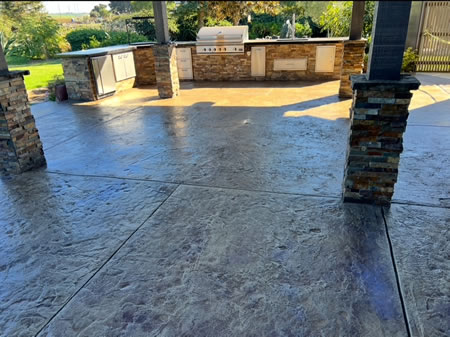
If you want longer-lasting, better-looking concrete, professional concrete sealing in Arroyo Grande, GA is one of the smartest moves you can make. Between humid summers, afternoon storms, and year-round foot and vehicle traffic, unsealed slabs age fast. In this guide, our Concrete Coating and Epoxy Flooring pros explain the difference between penetrating and topical sealers, when each shines, how driveway sealer vs patio sealer choices change by surface, and what to expect with recoat timing. If you also have hardscape that needs attention, explore our paver cleaning & sealing service to keep everything around your concrete looking fresh.
What Concrete Sealing Does and Why It Matters in Arroyo Grande, GA
Concrete looks solid, but it’s full of tiny pores that pull in water, oils, and dissolved salts. Sealing creates a barrier that helps control moisture, stains, and sun fade. That means fewer surface issues and better curb appeal for years. In Georgia’s heat and humidity, sealed concrete also cleans faster because stains have a harder time soaking in.
For many homes in our area, the right sealer is less about “shiny vs matte” and more about how your slab is used. Driveways battle hot tires, leaking fluids, and heavy loads. Patios see sun, spills, and frequent cleaning. Walkways and steps see rain and morning dew. Matching the sealer to the job is key.
Want a quick overview of coatings beyond sealing? Take a look at this helpful read on concrete value and protection: why concrete coating is a smart investment for your property.
Penetrating Sealers: How They Work and When To Use Them
Penetrating sealers soak into the slab and line the pores from the inside. Common chemistries include silane, siloxane, and blends designed to repel water and de-icing salts while allowing vapor to escape. Because they sit within the concrete rather than on top, they do not change texture much and typically leave a natural, low-sheen look.
Best fits in Arroyo Grande, GA:
- Driveways and walkways where breathability and water repellency matter most
- Exterior steps and pool decks that need traction without a film on top
- Colored or broom-finished concrete where you want a natural appearance
Homeowner tip: choose a breathable sealer for driveways and high-moisture areas so moisture can move out instead of getting trapped beneath the surface.
Topical Sealers: Gloss, Color, and Surface Protection
Topical sealers form a thin protective film on top of the slab. Acrylics are common on patios and decorative work because they can deepen color and add a satin to glossy finish. Urethanes and certain high-performance films are often chosen for commercial settings or specialty areas where chemical or abrasion resistance is a priority.
Where topical sealers shine:
- Patios and porches where you want richer color and a light sheen
- Stamped or stained concrete that benefits from visual “pop”
- Low- to moderate-traffic areas where a film finish makes cleaning easier
Because topical sealers sit on the surface, they typically need more frequent maintenance than penetrating options. The upside is easy refreshes. When the finish dulls, a professional can clean and recoat to bring back the look.
Driveway Sealer vs Patio Sealer: Pick the Right Match
Driveways and patios live different lives. Your sealer choice should reflect that.
For driveways, durability and moisture control lead the decision. Vehicles introduce hot tire pickup, oil, and constant abrasion. Penetrating sealers are often preferred for a natural look and strong water repellency. If you want a slightly richer appearance, certain breathable penetrating blends can still keep a natural aesthetic while boosting repellency.
For patios, appearance often takes the lead. Many homeowners like a satin topical sealer to make color and texture pop. If your patio sees heavy sun, choose a UV-stable formula to help control fade. If traction is a concern near a grill or hose bib, you can specify a lower-sheen finish or traction additive so the surface stays comfortable and safe for guests.
One more note for mixed-use spaces: if your driveway flows into a decorative front porch, your plan may combine both types. A penetrating sealer on the driveway, and a topical sealer on the porch for color and sheen. The transition can look seamless when handled by a pro.
Recoat Timing: Signs It’s Time and What Affects the Schedule
Recoat timing varies by use, exposure, and sealer type. In general, penetrating sealers last longer between service visits because they live under the surface, while film-forming topical sealers need more frequent refreshes to keep the sheen and protection even.
Typical ranges in our climate:
- Driveways with penetrating sealer: often every 3 to 5 years, depending on traffic and sun
- Patios with topical sealer: often every 2 to 3 years to refresh the finish and color depth
- Shady walkways: sometimes longer intervals due to reduced UV exposure
Watch for these signals: water no longer beads, color looks flat or patchy, or cleaning takes longer than it used to. Those are your cues to schedule a professional evaluation. It is also smart to plan service before long stretches of heavy rain or intense pollen. That helps your new sealer cure properly and keeps debris out of the finish.
How We Match Sealers to Surfaces
Every slab gets a short checklist to dial in the best fit. We look at traffic, sun and shade patterns, drainage, past coatings, and how you want the surface to look. From there, we recommend the right chemistry and finish so performance and appearance line up with your goals.
Common pairings our team recommends:
- Standard driveway: penetrating water repellent for moisture control and a natural look
- Decorative patio: UV-stable acrylic topical sealer for color depth and easy cleanup
- Front steps and landings: penetrating sealer to prioritize traction and water shedding
- Stamped entry path: topical sealer to highlight texture, with traction additive if needed
If you love a color-enhanced look, a low-sheen topical on the patio paired with a breathable penetrating sealer for the driveway offers the best of both worlds.
Surface Prep and Professional Application Matter
Results start with clean, sound concrete. Professional prep removes ground-in grime, efflorescence, and old, failing films before any new sealer goes down. That way, you get strong bonding and an even finish. never trap moisture under a new sealer or you risk whitening, peeling, or uneven sheen as the slab tries to breathe.
If your concrete includes decorative work or color, our crew will choose the right formula and sheen so the look stays consistent across sun and shade. For homes where sealing is part of a bigger refresh, you can also explore a dedicated concrete sealing service to coordinate finishes across driveways, patios, walkways, and steps.
Driveway Sealer vs Patio Sealer: Quick Side‑By‑Side
Here’s a simple way to think about it in Arroyo Grande, GA:
- Driveway priority: durability, water control, natural traction. Choose a penetrating sealer first.
- Patio priority: appearance, color depth, easy cleaning. Choose a topical acrylic with UV stability.
- Mixed zones: combine both, or ask for a breathable option in areas that get the most rain splash.
If your outdoor area includes segmental pavers along the edges, keep everything cohesive with professional paver cleaning & sealing so joints and borders resist weeds, moisture, and color fade.
How Long Before You Need Another Coat?
Traffic, sun, and maintenance habits drive recoat timing. Homes with frequent cookouts and heavy patio use may refresh a topical finish sooner to keep color and sheen even. Quiet side patios might go longer. Driveways with constant vehicle loads benefit from periodic inspections to confirm water is still beading and oil cleanup is easy.
When it is time, a professional recoat is straightforward. The crew evaluates the surface, cleans thoroughly, and applies the correct product at the right rate. For film-forming sealers, that often means a fresh topcoat to restore gloss and protection. For penetrating sealers, it means renewing the repellency so water sheds rather than soaks in.
Why Work With Expert Surface Solutions?
Sealers are not one-size-fits-all. Our team brings local experience, commercial-grade products, and a clear plan tailored to your slab’s condition and goals. We help you compare penetrating vs topical options, weigh driveway sealer vs patio sealer tradeoffs, and map out recoat timing that fits your schedule. If you want a deeper overview of coating systems for other areas of your property, you can also read about epoxy flooring benefits and other finishes in our tips section.
If you are starting from scratch and need a quick path to the right decision, our pros will assess your surface, recommend the best chemistry, and stand behind the result. avoid shortcuts like over-applying film-forming sealers, which can cause slipperiness or uneven wear. The right product at the right rate keeps your concrete safer and easier to maintain.
For a broad look at design and performance options around your home, you can also explore concrete sealing in Arroyo Grande, GA solutions offered by our team right from the home page.
Your Next Step for Stronger, Better-Looking Concrete
Ready to protect your driveway, patio, and walkways the right way? Schedule a visit with Expert Surface Solutions and get a clear, professional plan for your home. We will match the ideal sealer to each surface, plan recoat timing that fits our Georgia climate, and leave you with a finish that looks great and lasts.
Call us at 805-431-4089 or book online to get started. For hardscape around the slab, our team keeps borders, paths, and pool decks looking their best with dedicated paver cleaning & sealing that pairs perfectly with your new concrete finish.