Commercial Kitchen Floor Coatings in San Luis Obispo: Slip-Resistant & USDA Compliant Epoxy
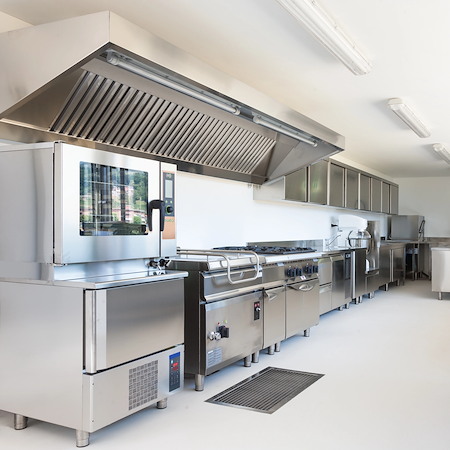
Busy restaurants and food facilities in San Luis Obispo, CA need floors that work as hard as the team. That is why many local managers choose commercial epoxy and polyaspartic systems that create a seamless, sanitary surface from prep line to dish room. This post explains how professional epoxy flooring helps meet health department expectations while protecting employees with reliable traction in wet, fast-moving kitchens.
If you operate in Downtown SLO, near Cal Poly, or along the coast, commercial epoxy flooring San Luis Obispo, CA delivers durability, easy cleaning, and fast return to service so you can keep pace with the dinner rush.
Why Epoxy Flooring Works for San Luis Obispo Kitchens
Food-service floors see hot oil, citrus acids, caustic cleaners, and constant cart traffic. A professional epoxy system builds a tight bond to concrete and cures into a hard, nonabsorbent finish. When paired with a polyaspartic or urethane topcoat, it stands up to scrubbing and frequent sanitation cycles common in SLO restaurants.
- Seamless surface limits grout lines and joints where grime can hide.
- Resists many food acids, degreasers, and sanitation chemicals used in commercial kitchens.
- Custom slip-resistant textures help reduce falls during peak service.
Health Department and USDA Considerations in California
Local health inspections in California look for floors that are smooth, durable, nonabsorbent, and easy to clean in food prep and warewashing areas. Professionally installed resinous systems can be chosen and finished to align with these expectations, including integral cove bases at walls and tight, sealed transitions around drains and equipment pads.
For facilities operating under federal oversight, there are resinous options designed to meet typical USDA-compliant requirements when installed to manufacturer specifications. The key is professional selection, surface preparation, and documentation so your flooring aligns with your operating standards.
Because every facility is different, the safest approach is to work with a qualified installer who understands California health code expectations and coordinates details like cove height, slip rating, and drain terminations during planning.
Slip Resistance That Withstands Busy Service
Grease, soap, and water make floors slick. Purpose-built kitchen systems use hard mineral aggregate in the coating to add long-lasting grip. Broadcast blends with graded quartz are popular because they hold texture even after repeated scrubs and high-heat rinse cycles.
For dish rooms, cook lines, and mop sink areas, installers can tune the profile so staff get extra traction without creating a surface that is too rough to clean. The goal is a balanced finish: high enough traction to reduce slips and smooth enough to sanitize quickly between turns.
How Epoxy Handles Heat, Moisture, and Heavy Use
Coating systems for SLO kitchens need to deal with thermal swings from hot water and cool nights, especially in coastal humidity. Professional-grade epoxies and polyaspartics are engineered for moisture tolerance and bond strength when the slab is properly prepared. In high-heat or constant wet zones, installers may add intermediate layers or select resin chemistries built to handle thermal shock from washdowns.
What you get is a hard-wearing surface that resists gouging from pan racks and carts, holds up under foot traffic, and cleans fast so crews can reset between lunch and dinner.
Professional Installation Process for Food-Service Floors
A durable floor starts long before the first coat is mixed. Crews evaluate moisture, profile the concrete mechanically, and repair joints and cracks to create a stable base. Corners and wall lines often receive hand-shaped resin coves that rise a few inches to help keep water out of wall cavities and make mop-and-rinse cleaning more effective.
After the body coat and aggregate broadcast, a topcoat locks in texture and creates a sanitary finish. Installers document products and steps so you can show how your floor was built when questions come up during inspections.
To understand options for your facility, review the system build at our commercial epoxy flooring service page and talk through the traffic patterns in your space.
Local Project Scenarios Across SLO County
Downtown SLO kitchens: tight back-of-house corridors need a medium texture for grip and quick squeegee flow to trench drains. In Pismo Beach and Morro Bay, coastal moisture makes slab prep and cure control critical so the floor bonds well and resists blistering. In Paso Robles and Atascadero, warm afternoons push kitchens hard; a light-reflective flake or quartz color can lower glare and brighten prep lines.
Food trucks and ghost kitchens near Foothill Boulevard also benefit from resinous floors because the seamless surface speeds end-of-shift cleaning while keeping grease from seeping into the slab.
Maintenance Habits That Keep Floors Sanitary
Good maintenance protects traction and shine. Use the cleaner recommended for your coating chemistry and rinse thoroughly so residue does not make floors slippery. Schedule periodic deep scrubs to remove embedded grease near fryers and dish machines.
- Train crews to spot-check texture near cook lines and add mats only where needed.
- Use soft-edge squeegees to move water toward drains without scuffing the finish.
- Address small chips early so they do not collect moisture or debris.
With these habits, the non-porous, seamless surface stays easier to sanitize and looks professional for years.
Choosing Aggregates, Colors, and Cove Base Options
Texture and color are not just about looks. Quartz aggregate comes in blends that hide scuffs while keeping a consistent slip rating. Many kitchens choose light, warm neutrals that brighten the space and make food debris easy to see during cleanup.
Integral coves formed with the same resin protect wall bases from mop water and chemicals. Installers can round transitions so there are no sharp corners where grime can collect. Stainless or resin thresholds at walk-in coolers and doorways finish the system cleanly and help prevent edge chipping.
Scheduling and Downtime Planning
Restaurant schedules are tight, especially near Downtown SLO and the Cal Poly campus during events and graduation season. Professional crews can phase work by zone to keep part of the kitchen running, or plan overnight and early-week installs for less disruption. Fast-curing topcoats help minimize downtime, but final timing always depends on the selected system and site conditions.
Plan ahead for equipment moves, temporary storage, and access for floor machines. Clear communication keeps your reopening predictable and reduces surprises for your team.
What Sets a Professional System Apart
Successful projects in San Luis Obispo start with proper concrete profiling and moisture checks. They use commercial-grade resins and purposeful slip-resistant aggregates. They also include tight detailing around drains, cove bases, and terminations so your floor is built for sanitizing and daily wear.
High-heat washdowns, caustic degreasers, and constant foot traffic are tough on floors. A well-specified resinous system is tougher. Work with a partner who documents the system and stands behind the installation so your facility stays inspection-ready.
How Expert Surface Solutions Helps You Meet Standards
Our team focuses on food-service environments across SLO County, from compact cafés to large production kitchens. We recommend finishes that balance cleanability with traction and tailor textures for the cook line, dish room, and entries. If you also manage back-of-house storage or a loading area, we can coordinate a compatible finish there for a unified, sanitary surface.
Explore related options on our epoxy flooring services page, and if you operate a mixed-use site with a small fleet bay, our garage floor coatings can inform durability choices for carts and rolling stock that cross between zones.
Care Tips to Protect Your Investment
Keep rubber wheels clean so plasticizers do not mark up the finish. Place boot-scrape mats at service entries to limit grit that can wear texture. Adjust degreaser dilution so it cuts grease without leaving a film that reduces traction.
These small habits help a USDA-compliant resinous floor maintain both appearance and performance through long service hours.
Get a Safe, Sanitary Floor That Lasts
When you are ready to upgrade, start with a walk-through to map out traffic patterns, drains, and cove details. Then select a resin system and texture tuned to your workflow and cleaning routine. The result is a floor that looks sharp, supports your team’s safety, and helps satisfy inspector expectations.
Talk with Expert Surface Solutions at 805-431-4089 to plan your project. Learn how we specify and install kitchen-ready coatings on our commercial epoxy flooring service page, and see how seamless, sanitary flooring can help your operation run smoother day after day.